

Maintaining the insulation performance of a vacuum water bottle is crucial not only for ensuring that your beverages stay at the desired temperature but also for extending the lifespan of the product. As a leading supplier of high - quality vacuum water bottles, we understand the importance of insulation and are here to share some practical tips on how to maintain it.
Understanding the Principle of Vacuum Insulation
Before delving into the maintenance methods, it's essential to understand how vacuum insulation works. A vacuum water bottle consists of an inner and an outer wall with a vacuum layer in between. This vacuum layer significantly reduces heat transfer through conduction and convection, as these processes require a medium (such as air) to occur. Radiation is also minimized through the use of reflective materials on the inner walls of the bottle.
Regular Cleaning
One of the most fundamental steps in maintaining insulation performance is regular cleaning. Over time, dirt, debris, and beverage residues can accumulate on the inner walls of the bottle. This buildup can act as an additional layer of material that may disrupt the vacuum insulation.
To clean your vacuum water bottle, start by emptying any remaining liquid. Then, fill the bottle with warm water and a small amount of mild dish soap. Use a long - handled bottle brush to scrub the inner walls thoroughly, reaching all the corners and crevices. Rinse the bottle several times with clean water to ensure that all the soap is removed. Avoid using abrasive cleaners or scouring pads, as they can scratch the inner surface of the bottle, potentially damaging the reflective coating and affecting insulation.
For stubborn stains or odors, you can create a natural cleaning solution by mixing equal parts of water and white vinegar. Pour the solution into the bottle, let it sit for a few hours or overnight, and then rinse it well. Vinegar is a gentle yet effective cleaner that can break down stubborn residues and neutralize odors without harming the bottle.
Avoiding Physical Damage
Physical damage to the vacuum water bottle can compromise its insulation performance. The vacuum layer is very delicate, and even a small crack or dent can allow air to enter, reducing the effectiveness of the insulation.
When using your bottle, handle it with care. Avoid dropping it or subjecting it to sharp impacts. If you're carrying the bottle in a bag, make sure it's protected from other hard objects that could potentially hit it. Also, be cautious when opening and closing the bottle cap. Over - tightening or using excessive force can damage the seal, which is essential for maintaining the vacuum inside the bottle.
Proper Storage
How you store your vacuum water bottle can also impact its insulation performance. When not in use, store the bottle in a cool, dry place. Avoid leaving it in direct sunlight or in a hot environment for an extended period, as high temperatures can cause the materials inside the bottle to expand, potentially affecting the vacuum seal.
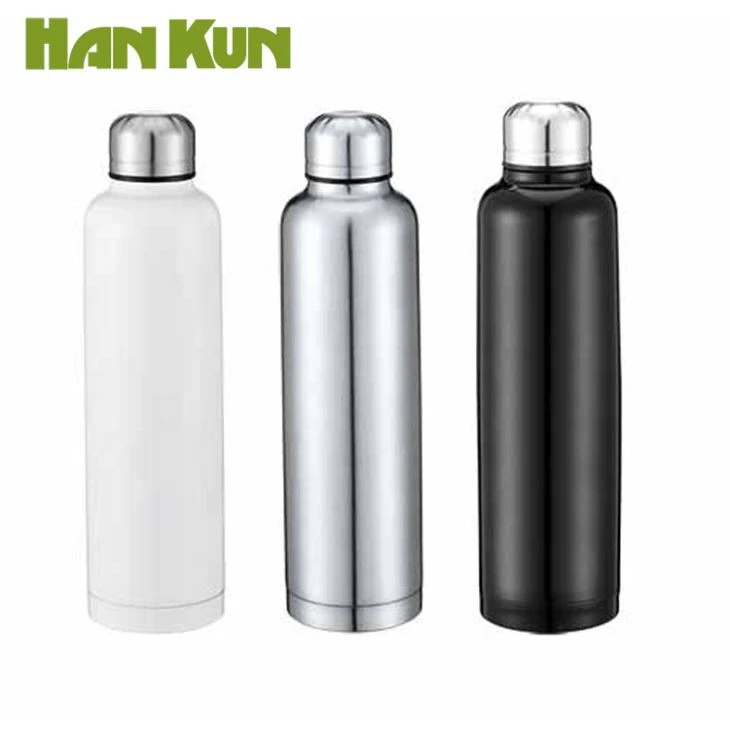

If you're going to store the bottle for a long time, make sure it's completely dry. Moisture left inside the bottle can lead to the growth of mold and mildew, which not only affects the hygiene of the bottle but can also damage the insulation over time. Leave the bottle cap off during storage to allow air to circulate and prevent moisture buildup.
Checking the Seal
The seal of the vacuum water bottle plays a vital role in maintaining the vacuum and preventing heat transfer. Regularly check the seal for signs of wear or damage. If you notice any cracks, tears, or deformation in the seal, it's important to replace it as soon as possible.
Most of our vacuum water bottles come with replaceable seals. You can easily find replacement seals on our website. For example, our 700ml Stainless Steel Sport Bottle and 18oz insulated Sports Stainless Steel Water Cup have high - quality, easily replaceable seals. To check the seal, simply inspect it visually and run your finger along its edge to feel for any irregularities.
Using the Bottle Correctly
Proper usage of the vacuum water bottle can also help maintain its insulation performance. When filling the bottle, try to fill it as full as possible. The less air space there is inside the bottle, the less heat transfer will occur. However, don't overfill the bottle, as this can cause the liquid to spill when you open the cap, potentially damaging the bottle or your belongings.
Also, avoid using the bottle to store carbonated beverages for an extended period. The pressure from the carbonation can put stress on the bottle and the seal, potentially affecting the vacuum. If you do use the bottle for carbonated drinks, make sure to open the cap slowly to release the pressure gradually.
Upgrading Your Bottle
As technology advances, new and improved vacuum insulation materials and designs are constantly being developed. If you find that your current vacuum water bottle is not performing as well as it used to, or if you're looking for better insulation performance, consider upgrading to a newer model.
Our company offers a wide range of high - quality vacuum water bottles, such as the Stainless Steel Hot Water Bottle. These bottles are designed with the latest insulation technology to provide superior heat retention and cold - keeping capabilities. By upgrading your bottle, you can enjoy better performance and a longer lifespan.
Conclusion
Maintaining the insulation performance of a vacuum water bottle requires a combination of proper cleaning, careful handling, correct storage, and regular checks. By following these tips, you can ensure that your bottle continues to keep your beverages at the desired temperature for a long time.
As a professional vacuum water bottle supplier, we are committed to providing our customers with high - quality products and excellent service. If you're interested in purchasing our vacuum water bottles or have any questions about insulation maintenance, please feel free to contact us for procurement and further discussions.
References
- "Principles of Thermal Insulation", Thermal Insulation Handbook
- "Care and Maintenance of Vacuum Containers", Container Manufacturing Association Journal


